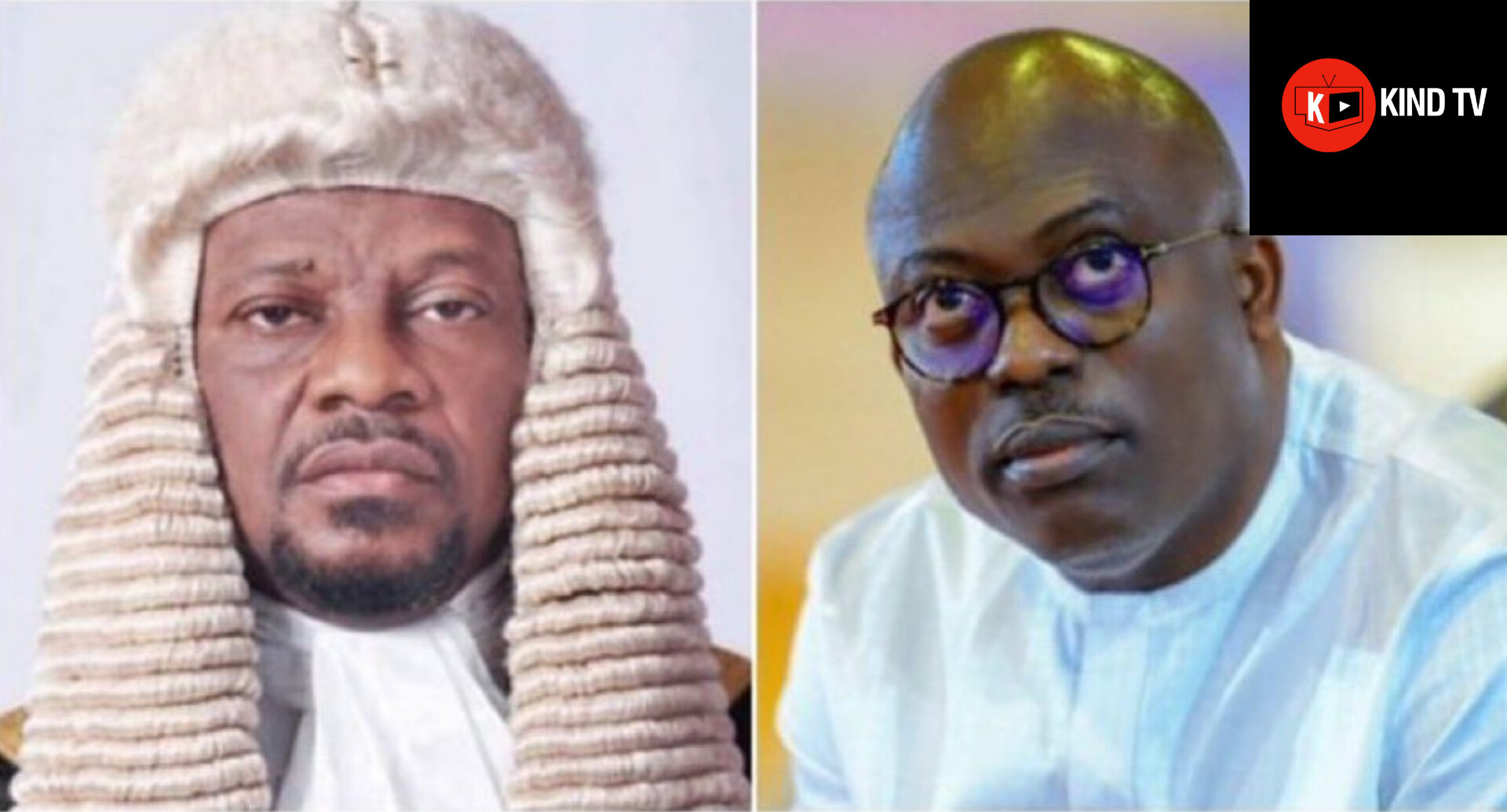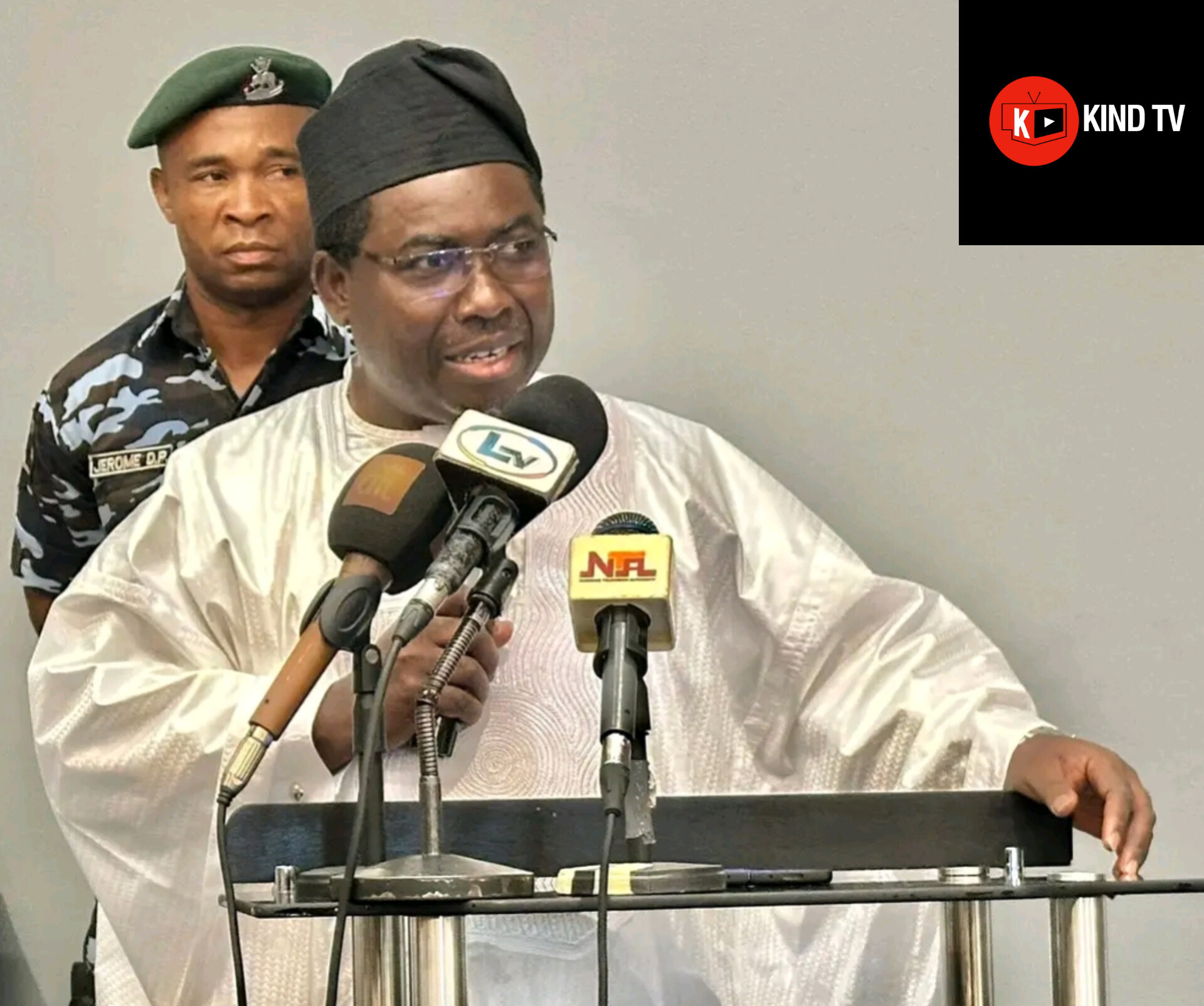
On Thursday, the Rivers State House of Assembly began formal impeachment proceedings against Governor Siminalayi Fubara. The notice, read during plenary under Speaker Martins Amaewhule, accused the governor of gross misconduct, including failure to present the state budget, alleged financial breaches and disregard for legislative procedures.
On paper, the process follows the constitution. In reality, many see something else at work. In Nigeria, impeachment was designed as a serious corrective measure. It exists for moments when a public office holder clearly lacks merit, abuses power or breaks the law in ways that can no longer be ignored. It was never meant to be routine, and certainly not a political response to disagreement.
Yet history suggests otherwise, impeachment in Nigeria has often appeared at the point where political relationships collapse. Once parties or powerful blocs fall out, the language of “gross misconduct” is suddenly revived. Allegations are drafted. Numbers are counted. The process begins.
Rivers State fits this familiar pattern. The House of Assembly is largely aligned with former governor and current Federal Capital Territory Minister, Nyesom Wike. His prolonged political rift with Governor Fubara has shaped governance in the state for months. Many observers believe the impeachment move is less about governance failures and more about a struggle for political control.
Supporters of the governor argue that the allegations did not arise from independent investigations or judicial findings, but from deep political tension. They say impeachment is being used as pressure, not judgment.
The lawmakers disagree and they insist they are acting within their constitutional duty and have issued notice in line with the law. That defence is legally sound. What remains unclear is whether the motive is public accountability or political advantage.
This uncertainty is not new. Across Nigeria, impeachment has repeatedly been used when political alliances break down, rather than when leaders are clearly unfit to govern.
Over time, this has weakened public trust in the process, because, when impeachment becomes a political weapon, its purpose is lost. What should protect the public interest instead intensifies political division
Rivers Assembly Moves Against Fubara, Reviving Old Questions About Political Impeachment