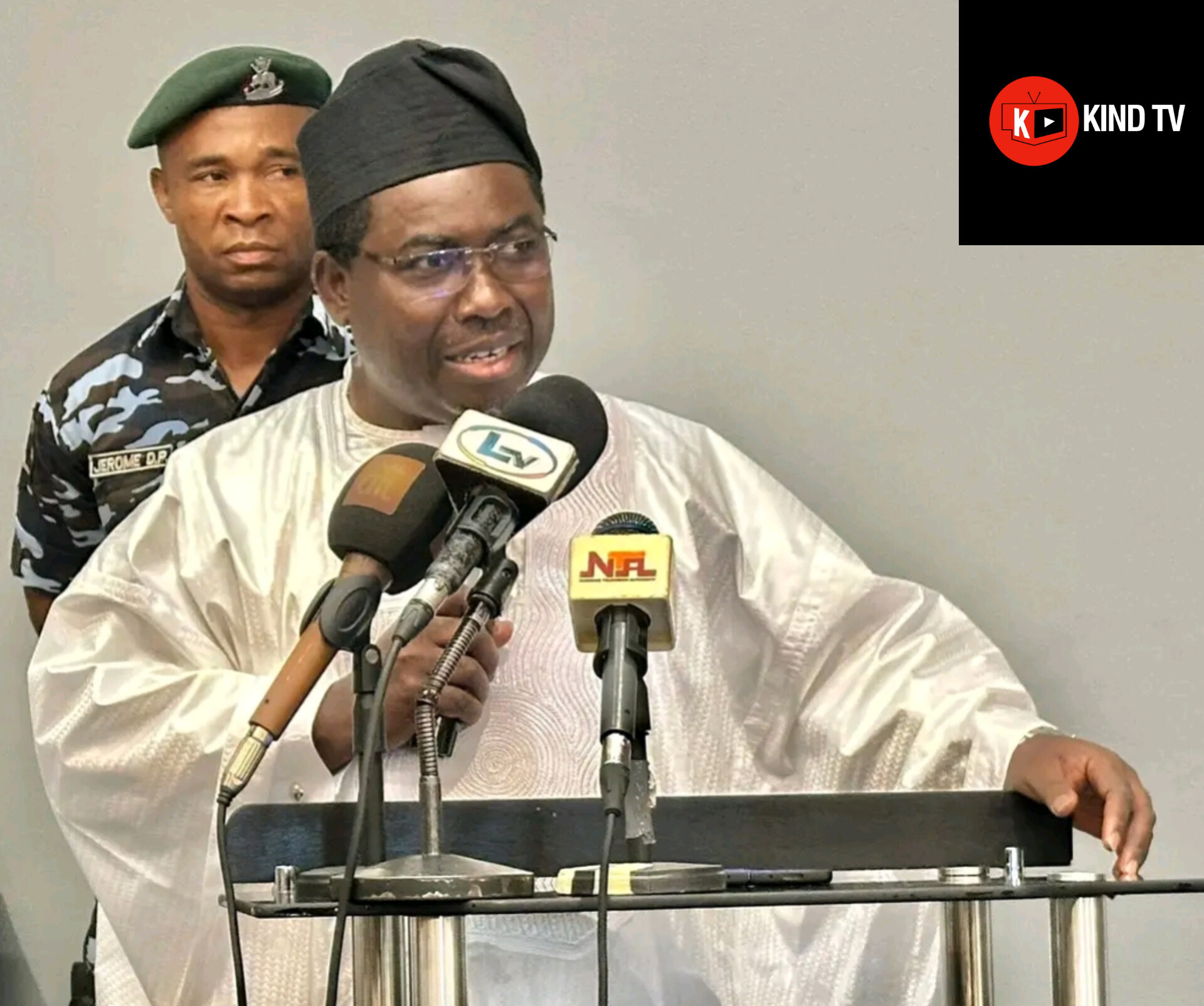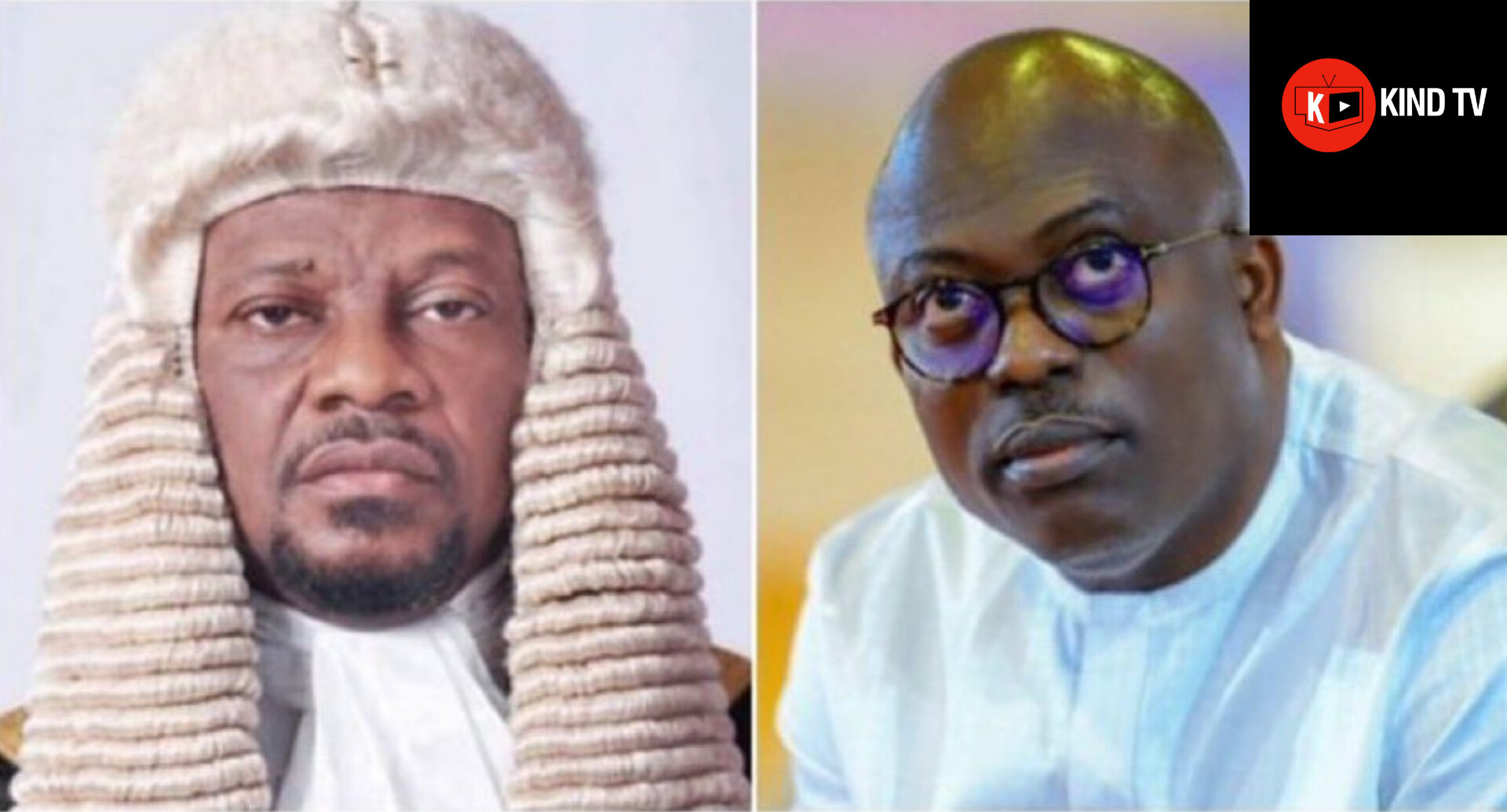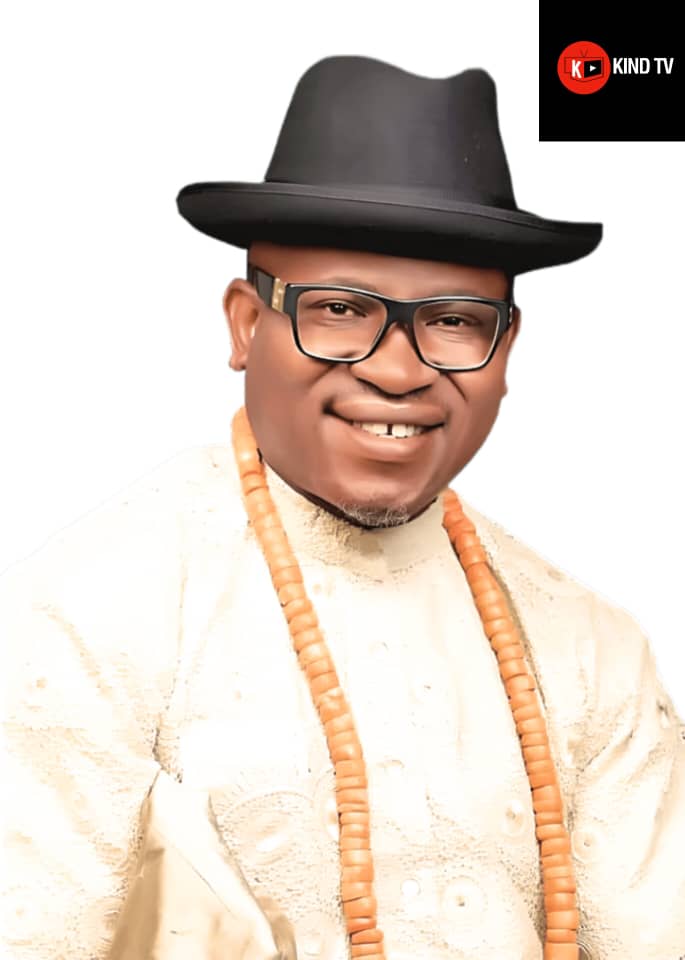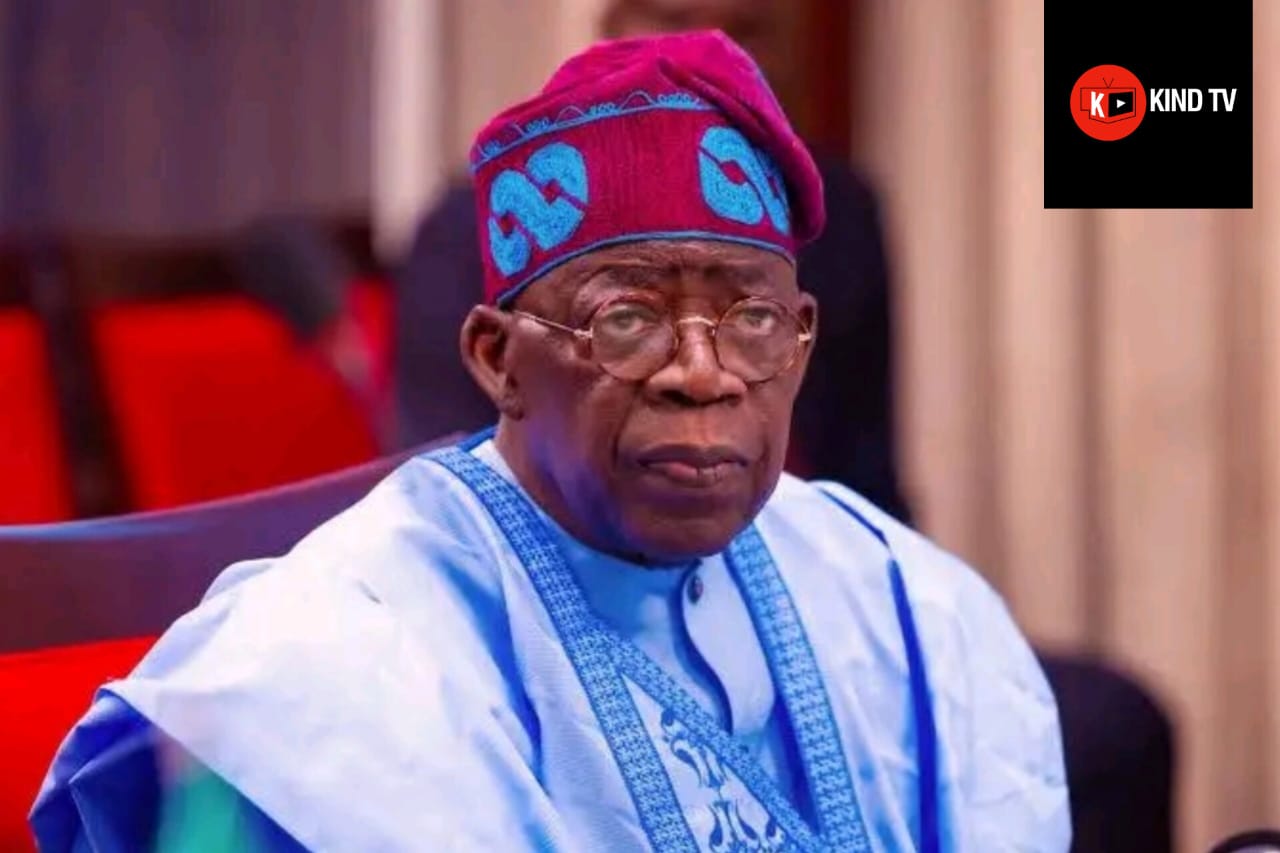
The Peoples Democratic Party is now in open turmoil. What began as a disciplinary decision at its national convention in Ibadan has spiraled into a confrontation that could define the party’s future. At the center of the storm is former Rivers State governor and current Minister of the Federal Capital Territory, Nyesom Wike, who was expelled alongside several other high profile figures for what the party described as anti party activities.
The expulsion list read like a roll call of some of the most recognizable names in the opposition, including former Ekiti governor Ayo Fayose and former national secretary Samuel Anyanwu. Party elders claimed the move was necessary. They presented it as an act of cleansing, as if they were saving the party from slow internal decay. Yet within hours, the decision triggered resistance from within the very core of the PDP’s leadership.
Two sitting governors, Adamawa’s Ahmadu Fintiri and Plateau’s Caleb Mutfwang, openly rejected the action. Fintiri hinted that the convention itself stood on shaky procedural ground. He pointed to unresolved court cases and questioned the absence of the electoral commission at the event that produced such a grave outcome. His intervention was not the polite dissent of an insider. It was a warning shot, suggesting that what unfolded in Ibadan may not stand the test of legality or loyalty.
From Wike’s camp came something different: not concern, but mockery. His aide, Lere Olayinka, dismissed the meeting as nothing more than a social gathering dressed up as a party convention. He described it as an early December party in November, a gathering of politicians who needed the comfort of performance to mask their own instability. Between the lines, his message was simple enough: the PDP can pronounce whatever it wishes, but Wike is not going quietly.
Wike himself has maintained the same stance for months. He has repeatedly insisted that no one in the party possesses the authority to expel him. His history with the PDP, his financial and political contributions and his continuing influence in multiple states form the backbone of his argument. Whatever the party declares, he treats it as theater rather than judgement.
This is more than a squabble between two factions. The PDP is the oldest surviving national opposition party in the Fourth Republic. It has tasted victory and defeat, held power for sixteen years and watched its internal contradictions pull it apart. Today it finds itself at risk of entering the next election cycle as a divided house, a weakened institution unable to agree on the status of one of its most powerful members.
There are those within the party who believe the expulsion was a necessary act of self preservation. There are others who see it as a self inflicted wound. The governors who have spoken up appear less interested in protecting Wike than in protecting what remains of the institution. They fear that the rupture could become irreversible, that a purge carried out in the name of discipline could instead hollow out the party from within.
The drama is far from over. Legal challenges are expected. Political calculations are shifting quietly in state capitals and Abuja alike. Party figures who have not spoken publicly are watching closely, counting risks and waiting for the next move. If the PDP leadership cannot bring its house to order, it may discover too late that it has lost control not only of its message but of the very idea of unity that once defined it.
For now, the exchanges remain largely verbal, but the tension carries an unmistakable weight. It feels like something deeper than a disagreement over party loyalty. Where it ends could determine whether the PDP remains a national force or becomes another cautionary tale of Nigerian politics unraveled from the inside.
Governors Revolt as Wike’s Expulsion Fractures PDP