US Lawmakers Convene as Nigeria Daces Mounting Violence
US lawmakers gathered in Washington on Tuesday as concern deepened over rising violence in Nigeria. The meeting, held behind closed doors, brought together members of the United States House of Representatives from the Appropriations, Foreign Affairs and Financial Services Committees. It was led by Mario Diaz Balart, who chairs the national security subcommittee. Witnesses, including officials from the United States Commission on International Religious Freedom, were invited to provide evidence.
The panel examined claims that attacks across parts of Nigeria have increasingly targeted Christian communities. Some of the testimonies described the killings and abductions as a worsening pattern that demanded firm action. Several lawmakers called for measures ranging from sanctions to visa restrictions on individuals believed to be fuelling the violence.
Not all voices accepted a single explanation. A number of analysts told the gathering that Nigeria’s security troubles stretch far beyond religion, touching on poverty, criminal networks, land disputes and weak state institutions. Their message carried a warning that focusing on only one strand of the crisis might miss the larger picture.
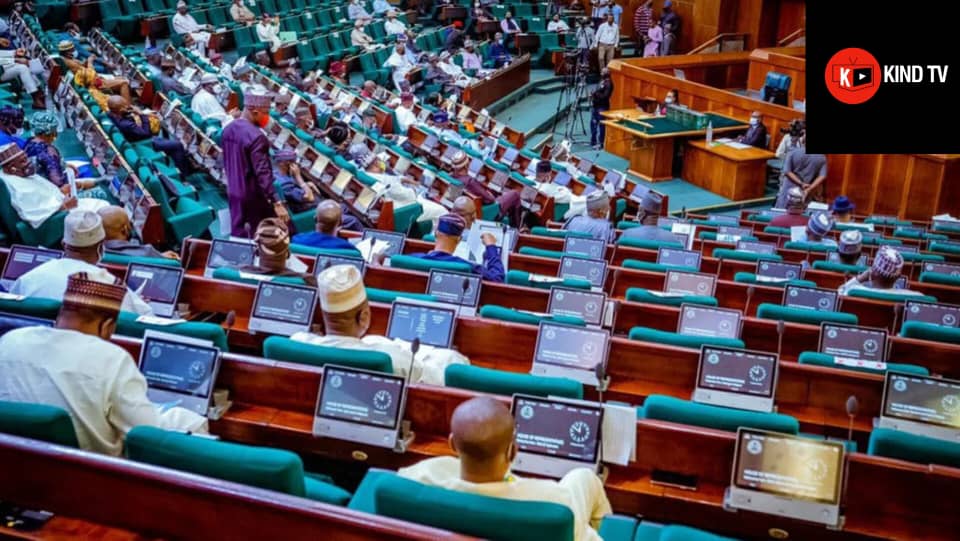
In Abuja, the Nigerian House of Representatives held a special session on the same day to confront the country’s growing insecurity. Lawmakers entered the chamber with visible frustration as they reviewed reports of fresh attacks, kidnappings and communal clashes from various states. Security chiefs and committee leaders presented briefings that painted a steep and troubling rise in violent incidents over the past year.
Members of parliament pressed for decisive reforms. Some urged a restructuring of the policing system, arguing that the present framework could no longer meet the scale of the crisis. Others demanded new laws to curb kidnapping and block the flow of illegal weapons. A few warned that if bold steps were not taken soon, the country risked drifting into a deeper national emergency.
By the end of the session, the House agreed on a series of recommendations expected to be forwarded to the executive branch. The tone in the chamber made it clear that pressure is mounting on the government to show visible progress.
The two developments, one in Washington and the other in Abuja, underline how Nigeria’s security troubles have entered the centre of both domestic and international attention. While the United States is preparing a detailed report that could influence future relations, Nigerian lawmakers appear determined to show they are not ignoring the strain felt across the country.
The coming weeks may reveal whether these parallel conversations lead to stronger cooperation or sharper disagreements, but the urgency in both capitals suggests that the matter can no longer be held at arm’s length.