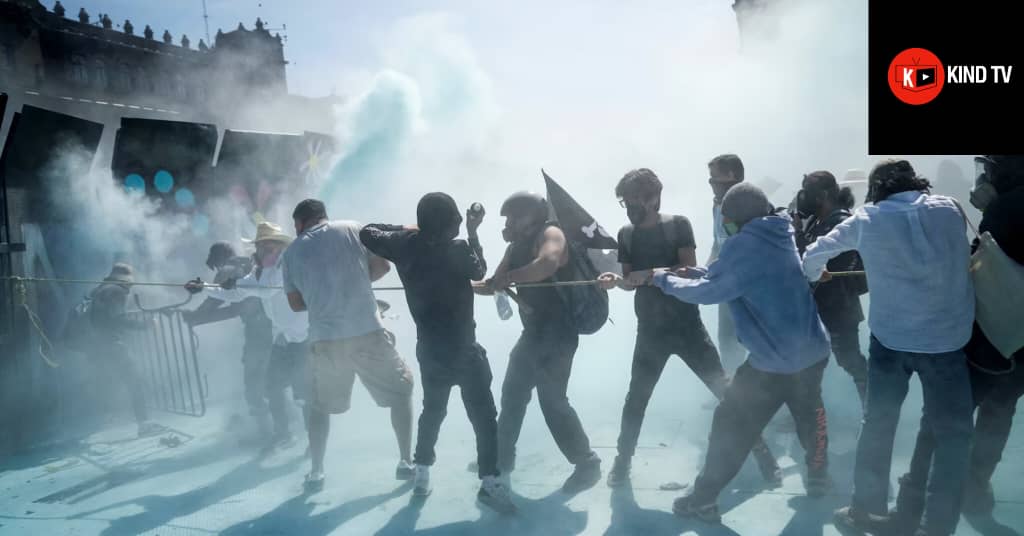
It began like a rally, but by nightfall, it looked and felt like a small uprising. At least 120 people were injured in central Mexico City on Saturday, including 100 police officers, as anti government protests descended into running battles with security forces, according to police figures reported by the BBC.
The demonstrators came in their thousands, many of them young, furious, and determined to make themselves heard. They marched against the surge in violent crime and against what they see as President Claudia Sheinbaum’s failure to protect the country. Grits hung in the air, tear gas clung to skin and clothing, and a sense of betrayal seemed to weave its way through every chant.
“The issue here is who is promoting the demonstration,” Sheinbaum warned in a briefing, quoted by the BBC. She accused her critics of using young people, arguing that the march was being funded by right-wing forces intent on discrediting her first year in office.
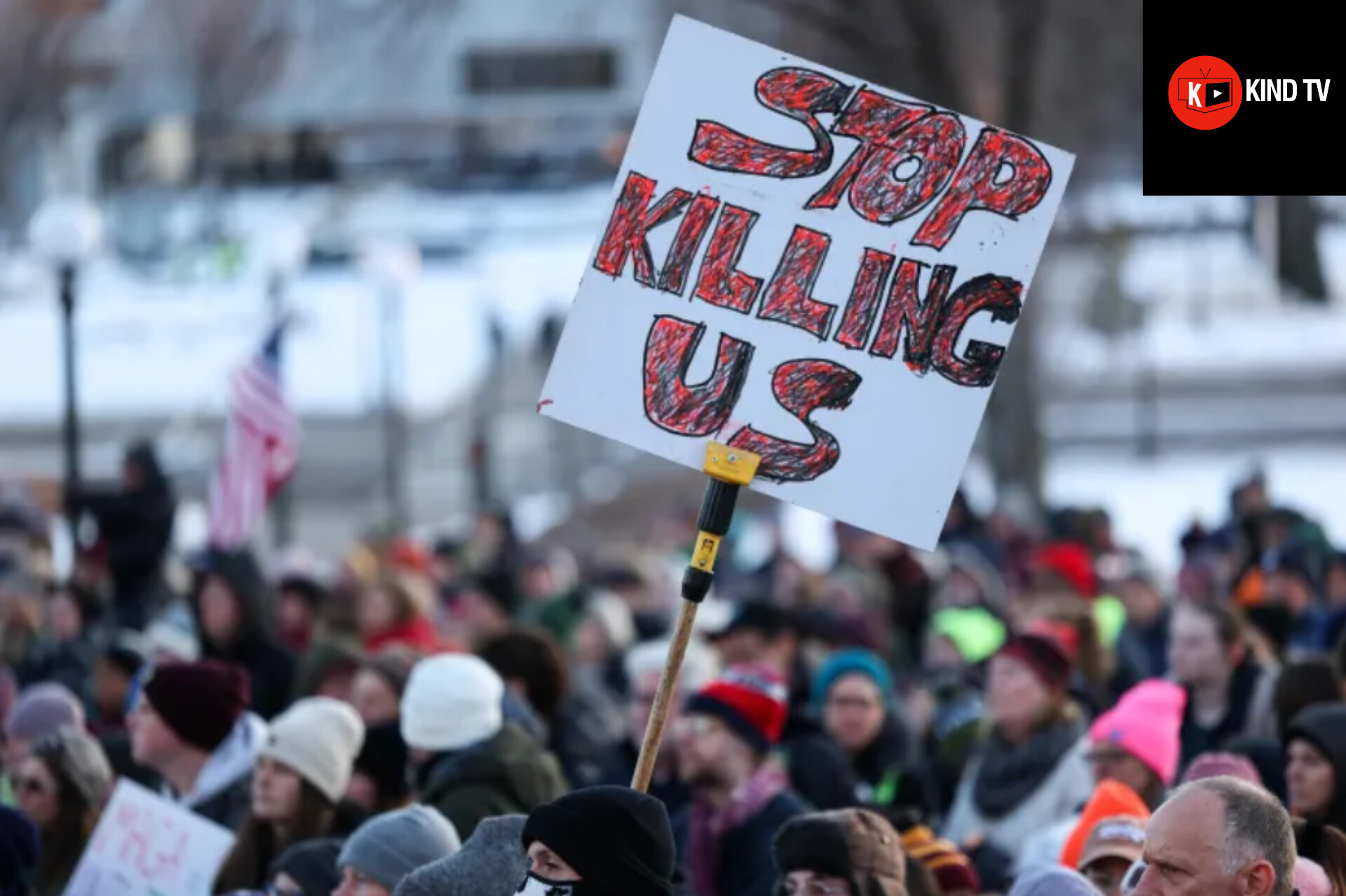
The protesters were not convinced. They held up placards reading, 'We are all Carlos Manzo,' invoking the memory of the murdered Uruapan mayor who had dared to demand a harder line against cartels. His shooting on 1 November during a Day of the Dead festival became the tipping point. It ignited fears and, for many, resentment. Manzo’s death fed a story that Mexicans have been telling themselves for years: the state can not keep up with organized crime, and violence has become routine.
The confrontation reached its peak outside the National Palace, where Sheinbaum resides. Protesters tore down metal barricades, police pushed back with tear gas and shields. Mexico City security chief Pablo Vazquez confirmed that 20 people had been arrested for offenses ranging from assault to robbery, according to the BBC. The capital’s historic center echoed long after the last crowd dispersed.
There was something notably generational about the movement. The rally had been organized by Gen Z activists, yet it pulled in people of every age, an uneasy mix of students, grieving relatives, middle-class professionals, and political dissidents. They came not only for Manzo but for the countless others, nameless victims lost in cartel crossfire, kidnappings, and extortion.
Sheinbaum has spent much of her presidency walking a tightrope between resisting an all-out war on drugs and trying to demonstrate that she can control the cartels without unleashing another national bloodbath. Her defenders point to her approval rating, still above 70 per cent, and her recent cooperation with US authorities to stem fentanyl trafficking. Her critics say those numbers gloss over reality: violent crime remains rampant, fear is alive in every rural town, and even major cities now treat shootouts and assassinations as routine.
The diplomatic consequences are starting to spread beyond Mexico’s borders. The BBC reports that Peru’s Congress voted to declare Sheinbaum persona non grata after her government granted asylum to former Peruvian prime minister Betssy Chavez, who is accused of involvement in a failed coup attempt. The language was fierce, the accusations even fiercer. Peruvian lawmakers alleged, without evidence, that the Mexican president had ties to drug trafficking.
“In reality, Peruvians live and want to continue living in democracy, as recognized by all countries in the world, with the sole and lonely exception of Mexico,” Peru’s foreign minister Hugo de Zela told Reuters in comments quoted by the BBC.
Ties between the two countries have been fraying for years, and this latest move has pushed diplomatic tensions to the edge.
Back in Mexico, as graffiti dries on walls near the palace and the smoky smell of gas fades, the question now is not whether the anger will return but when. These protests are no longer simply about killing in Uruapan. They are about a generation that feels unsafe in its own streets, distrustful of its institutions, and increasingly unwilling to remain silent.
Thousands Take to Mexico City Streets as Anger Over Crime Boils Into Violence.