Trump Intensifies Pressure on Tinubu, Accuses Nigeria of Failing to Stop Killings
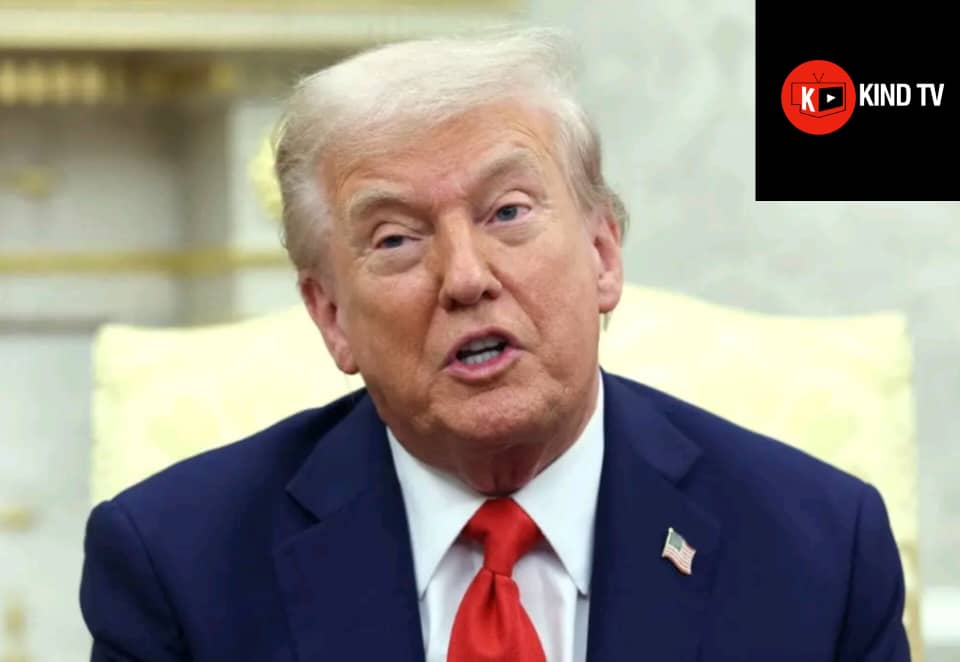
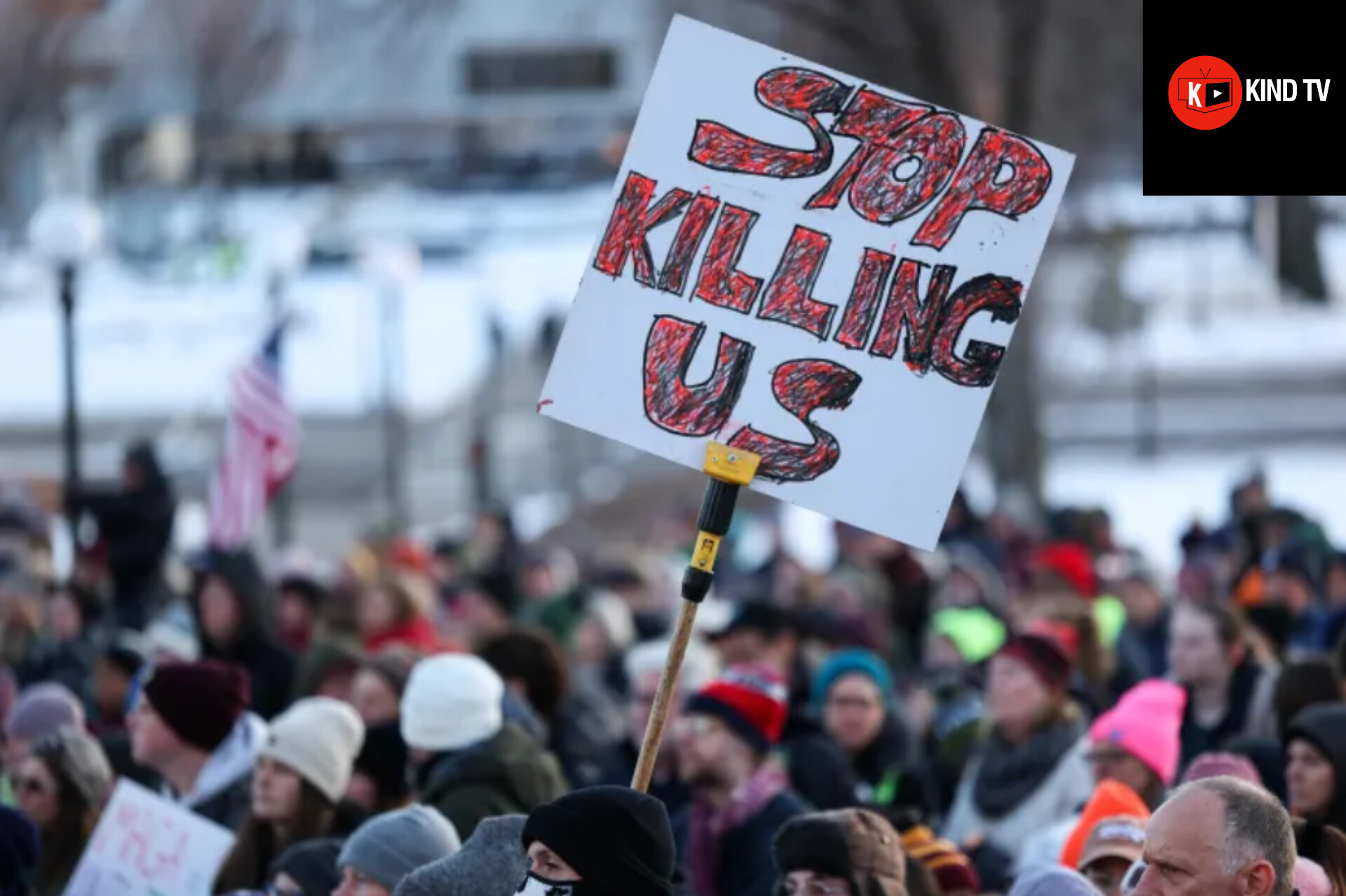
United States President Donald Trump has intensified his criticism of the Nigerian government, accusing it of failing to stop widespread killings and insisting that Christians are being targeted in what he repeatedly described as genocide. In his interview on Fox News Radio’s The Brian Kilmeade Show, Trump said Nigeria had become “a disgrace” and argued that authorities had not shown the capacity or the will to protect their citizens.
He said, “They’re killing people by the thousands. It’s a genocide. And I’m furious about it. The government’s done nothing. They are very ineffective. They’re killing Christians at will.” He added that the United States provides significant support to Nigeria, warning that this may soon be halted. “We give a lot of subsidy to Nigeria, which we’re going to end up stopping,” he declared, insisting that his intervention brought new attention to the matter. “Until I got involved … nobody even talked about it.”
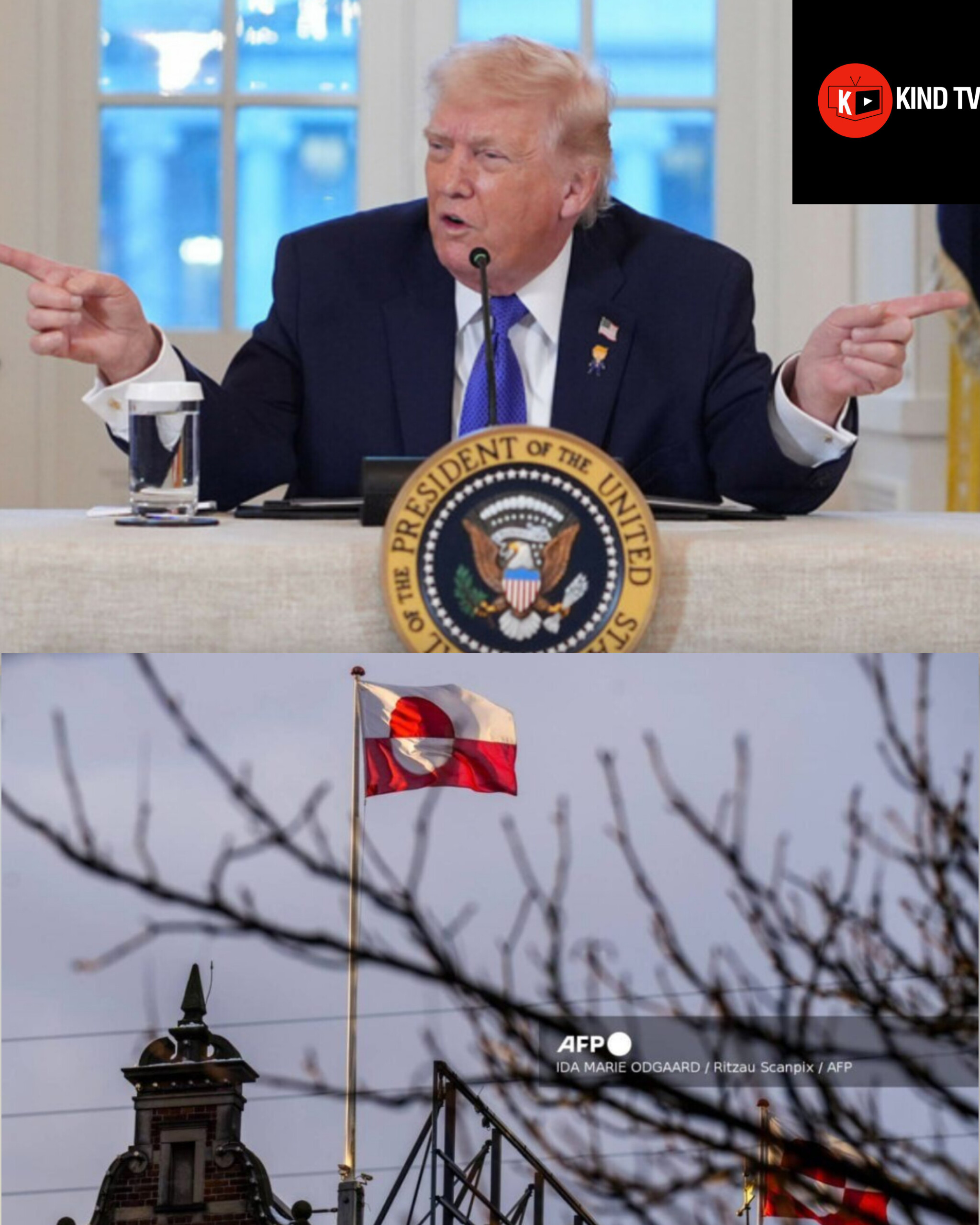
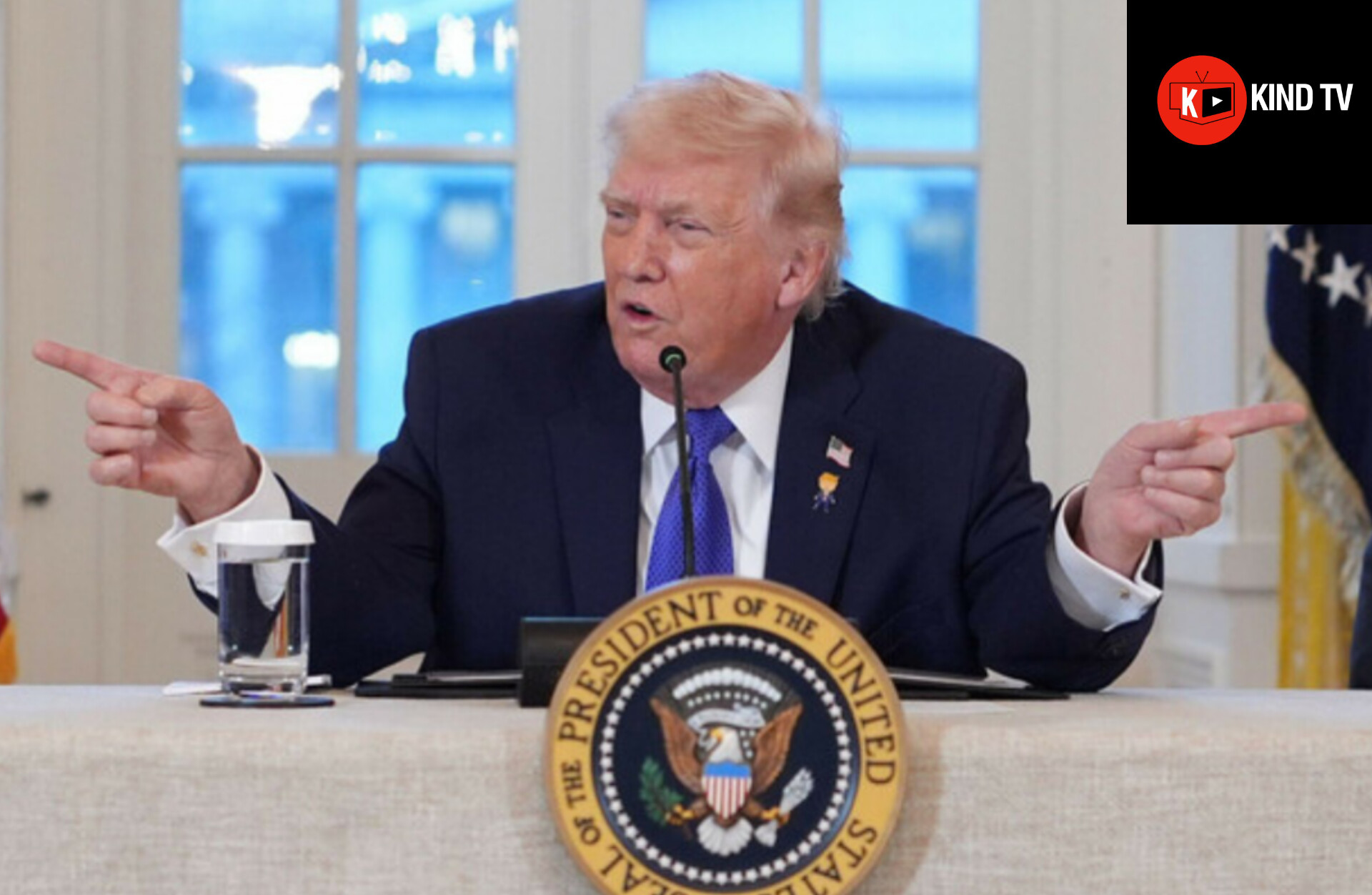
His comments follow earlier threats in which he instructed the Pentagon to prepare for possible action, stating on social media that if the killings continue, the United States “will immediately stop all aid and assistance to Nigeria” and could intervene militarily if necessary. He hinted at a more aggressive response, saying America could come in “guns a blazing” against what he called “Islamic terrorists”.
The U.S President’s remarks came shortly after a Nigerian security delegation led by the National Security Adviser, Mallam Nuhu Ribadu, met American defence officials including U S Secretary of War Pete Hegseth. During the meeting, Hegseth pressed the Nigerian side for urgent measures to protect Christian communities and expressed readiness for cooperation that would work “by, with, and through Nigeria” to reduce extremist threats.
The international dimension deepened when Italian Prime Minister Giorgia Meloni urged Nigeria to prosecute those responsible for attacks on Christians, describing religious freedom as an inviolable right. Also, U S Congressman Riley Moore called on the Nigerian government to disarm violent groups in the Middle Belt, accusing radical Fulani militants of driving attacks that he argued had reached a genocide scale. He insisted that Nigeria must work closely with the United States to end the violence.
Nigeria has rejected Trump’s characterization, maintaining that the crisis is more complex than his framing suggests. Officials emphasized that the country is grappling with a combination of banditry, kidnappings, extremist attacks and longstanding communal tensions. They argued that the situation cannot be reduced to religious persecution alone and stressed that all foreign engagement must respect national sovereignty.
While international pressure for accountability is intensifying, Nigeria’s leaders insist that any portrayal of the conflict must recognize its multifaceted nature. The debate now hangs on whether outside intervention, diplomatic pressure or domestic security reforms will determine the direction of the crisis, and whether the government can persuade citizens that it retains firm control over a conflict that has drawn worldwide scrutiny.
Trump Intensifies Pressure on Tinubu, Accuses Nigeria of Failing to Stop Killings United States President Donald Trump has intensified his criticism of the Nigerian government, accusing it of failing to stop widespread killings and insisting that Christians are being targeted in what he repeatedly described as genocide. In his interview on Fox News Radio’s The Brian Kilmeade Show, Trump said Nigeria had become “a disgrace” and argued that authorities had not shown the capacity or the will to protect their citizens. He said, “They’re killing people by the thousands. It’s a genocide. And I’m furious about it. The government’s done nothing. They are very ineffective. They’re killing Christians at will.” He added that the United States provides significant support to Nigeria, warning that this may soon be halted. “We give a lot of subsidy to Nigeria, which we’re going to end up stopping,” he declared, insisting that his intervention brought new attention to the matter. “Until I got involved … nobody even talked about it.” His comments follow earlier threats in which he instructed the Pentagon to prepare for possible action, stating on social media that if the killings continue, the United States “will immediately stop all aid and assistance to Nigeria” and could intervene militarily if necessary. He hinted at a more aggressive response, saying America could come in “guns a blazing” against what he called “Islamic terrorists”. The U.S President’s remarks came shortly after a Nigerian security delegation led by the National Security Adviser, Mallam Nuhu Ribadu, met American defence officials including U S Secretary of War Pete Hegseth. During the meeting, Hegseth pressed the Nigerian side for urgent measures to protect Christian communities and expressed readiness for cooperation that would work “by, with, and through Nigeria” to reduce extremist threats. The international dimension deepened when Italian Prime Minister Giorgia Meloni urged Nigeria to prosecute those responsible for attacks on Christians, describing religious freedom as an inviolable right. Also, U S Congressman Riley Moore called on the Nigerian government to disarm violent groups in the Middle Belt, accusing radical Fulani militants of driving attacks that he argued had reached a genocide scale. He insisted that Nigeria must work closely with the United States to end the violence. Nigeria has rejected Trump’s characterisation, maintaining that the crisis is more complex than his framing suggests. Officials emphasised that the country is grappling with a combination of banditry, kidnappings, extremist attacks and longstanding communal tensions. They argued that the situation cannot be reduced to religious persecution alone and stressed that all foreign engagement must respect national sovereignty. While international pressure for accountability is intensifying, Nigeria’s leaders insist that any portrayal of the conflict must recognise its multifaceted nature. The debate now hangs on whether outside intervention, diplomatic pressure or domestic security reforms will determine the direction of the crisis, and whether the government can persuade citizens that it retains firm control over a conflict that has drawn worldwide scrutiny