US Approves 11 Billion Dollar Arms Sale to Taiwan, Stirring Tensions With China
The United States has approved an arms sales package worth about 11 billion dollars for Taiwan, a deal that strengthens the island’s defensive capacity and is expected to further strain relations with China. The approval, confirmed by US and Taiwanese officials, brings together one of the largest weapons packages offered to Taipei in recent years.
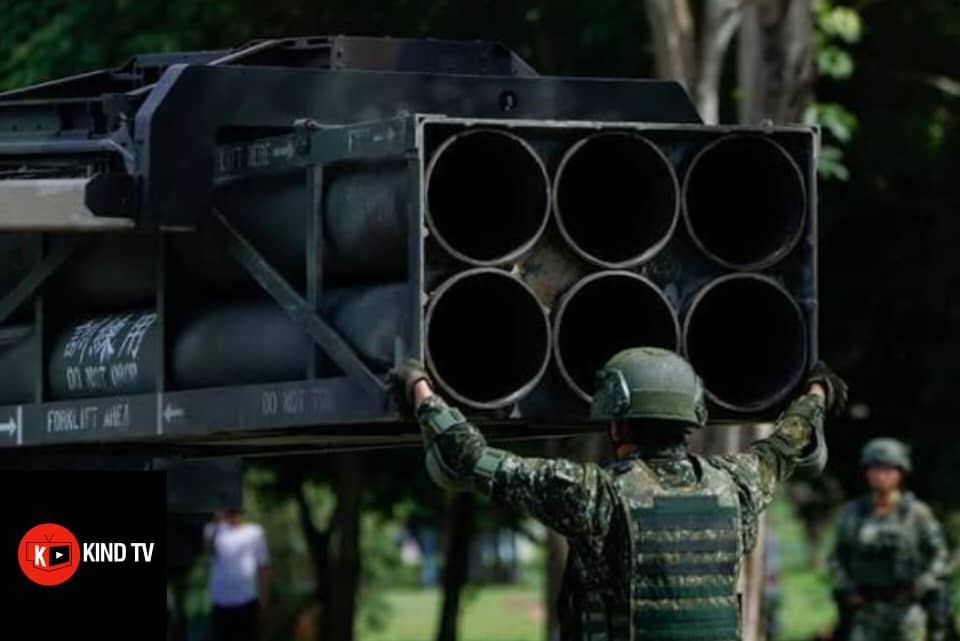
According to official briefings, the proposed sale covers a wide range of military hardware, including advanced rocket systems, artillery, loitering munitions, anti tank missiles and related logistics support. The focus, officials said, is on boosting Taiwan’s ability to defend itself in the event of an external threat, particularly through mobile and precision based systems.
In Taipei, the announcement was received as a strategic reassurance. Taiwan’s defense authorities described the move as a practical step towards strengthening deterrence and maintaining stability across the Taiwan Strait. They noted that the equipment would support ongoing efforts to modernize the armed forces and improve readiness without altering the island’s long standing defensive posture.
Beijing’s response, though not unexpected, was firm. China has consistently opposed US arms sales to Taiwan, which it considers part of its territory. Chinese officials have repeatedly warned that such transactions violate its sovereignty and undermine regional peace. Diplomatic protests are expected, with analysts suggesting that Beijing could respond with military drills or economic countermeasures, as seen after previous deals.
The sale follows established US policy under the Taiwan Relations Act, which obliges Washington to provide Taipei with the means to defend itself, even while formally recognizing Beijing as the sole legal government of China. American officials stressed that the package is defensive in nature and does not signal a change in US policy.
Before the deal is finalized, it will undergo a mandatory review period in the US Congress. Lawmakers from both major parties have historically supported arms sales to Taiwan, making approval likely unless unforeseen objections arise.
As the paperwork moves through Washington, the wider implications are already taking shape. At a time of heightened rivalry between the world’s two largest economies, the decision adds another layer of uncertainty to an already delicate balance in East Asia.
US Approves 11 Billion Dollar Arms Sale to Taiwan, Stirring Tensions With China The United States has approved an arms sales package worth about 11 billion dollars for Taiwan, a deal that strengthens the island’s defensive capacity and is expected to further strain relations with China. The approval, confirmed by US and Taiwanese officials, brings together one of the largest weapons packages offered to Taipei in recent years. According to official briefings, the proposed sale covers a wide range of military hardware, including advanced rocket systems, artillery, loitering munitions, anti tank missiles and related logistics support. The focus, officials said, is on boosting Taiwan’s ability to defend itself in the event of an external threat, particularly through mobile and precision based systems. In Taipei, the announcement was received as a strategic reassurance. Taiwan’s defence authorities described the move as a practical step towards strengthening deterrence and maintaining stability across the Taiwan Strait. They noted that the equipment would support ongoing efforts to modernise the armed forces and improve readiness without altering the island’s long standing defensive posture. Beijing’s response, though not unexpected, was firm. China has consistently opposed US arms sales to Taiwan, which it considers part of its territory. Chinese officials have repeatedly warned that such transactions violate its sovereignty and undermine regional peace. Diplomatic protests are expected, with analysts suggesting that Beijing could respond with military drills or economic countermeasures, as seen after previous deals. The sale follows established US policy under the Taiwan Relations Act, which obliges Washington to provide Taipei with the means to defend itself, even while formally recognising Beijing as the sole legal government of China. American officials stressed that the package is defensive in nature and does not signal a change in US policy. Before the deal is finalised, it will undergo a mandatory review period in the US Congress. Lawmakers from both major parties have historically supported arms sales to Taiwan, making approval likely unless unforeseen objections arise. As the paperwork moves through Washington, the wider implications are already taking shape. At a time of heightened rivalry between the world’s two largest economies, the decision adds another layer of uncertainty to an already delicate balance in East Asia.