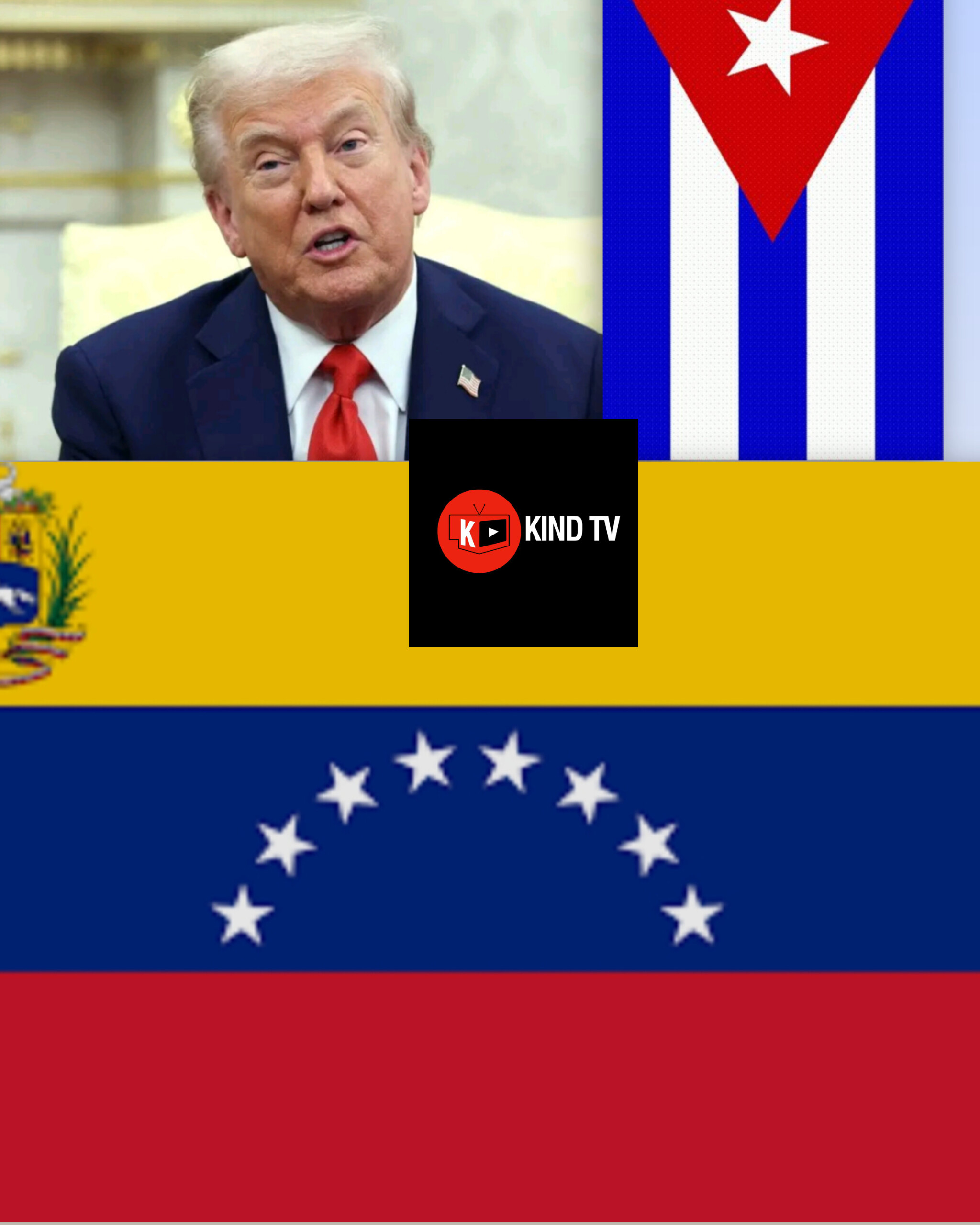
The Cuban government has confirmed that 32 of its nationals were killed during the United States operation in Venezuela aimed at capturing President Nicolás Maduro, a development that has stirred old anxieties about borders, power and the steady erosion of international restraint.
Havana said the dead were members of its armed forces and intelligence agencies. Two days of national mourning were declared, the announcement brief but weighted with meaning. In a short address, President Miguel Díaz Canel said the personnel had been deployed to provide protection to Maduro and his wife, acting at the formal request of the Venezuelan authorities.
An official statement described the fallen Cubans as having carried out their duty “with dignity and heroism”, saying they were killed either in direct combat or as a result of air strikes on military facilities. The government did not expand on the nature of their mission, though Cuba and Venezuela are long standing allies, bound by security cooperation and oil agreements that have endured years of international pressure.
The US operation involved a series of air strikes on strategic targets in Caracas, including areas close to Fuerte Tiuna, the country’s largest military complex, before elite forces moved in on Maduro’s compound. Venezuela has not confirmed how many people were killed overall. Media reports, quoting an unnamed Venezuelan official, have put the death toll at around 80, with warnings that the figure could rise. Those claims have not been independently verified.
Beyond the battlefield numbers, the raid has reignited criticism of Washington’s conduct on the global stage. Legal scholars and diplomats have pointed to the United Nations Charter, which places strict limits on the use of force and the violation of territorial sovereignty. In this light, the strike is being framed by critics as another example of a powerful state acting without consequence, brushing aside international norms with quiet confidence.
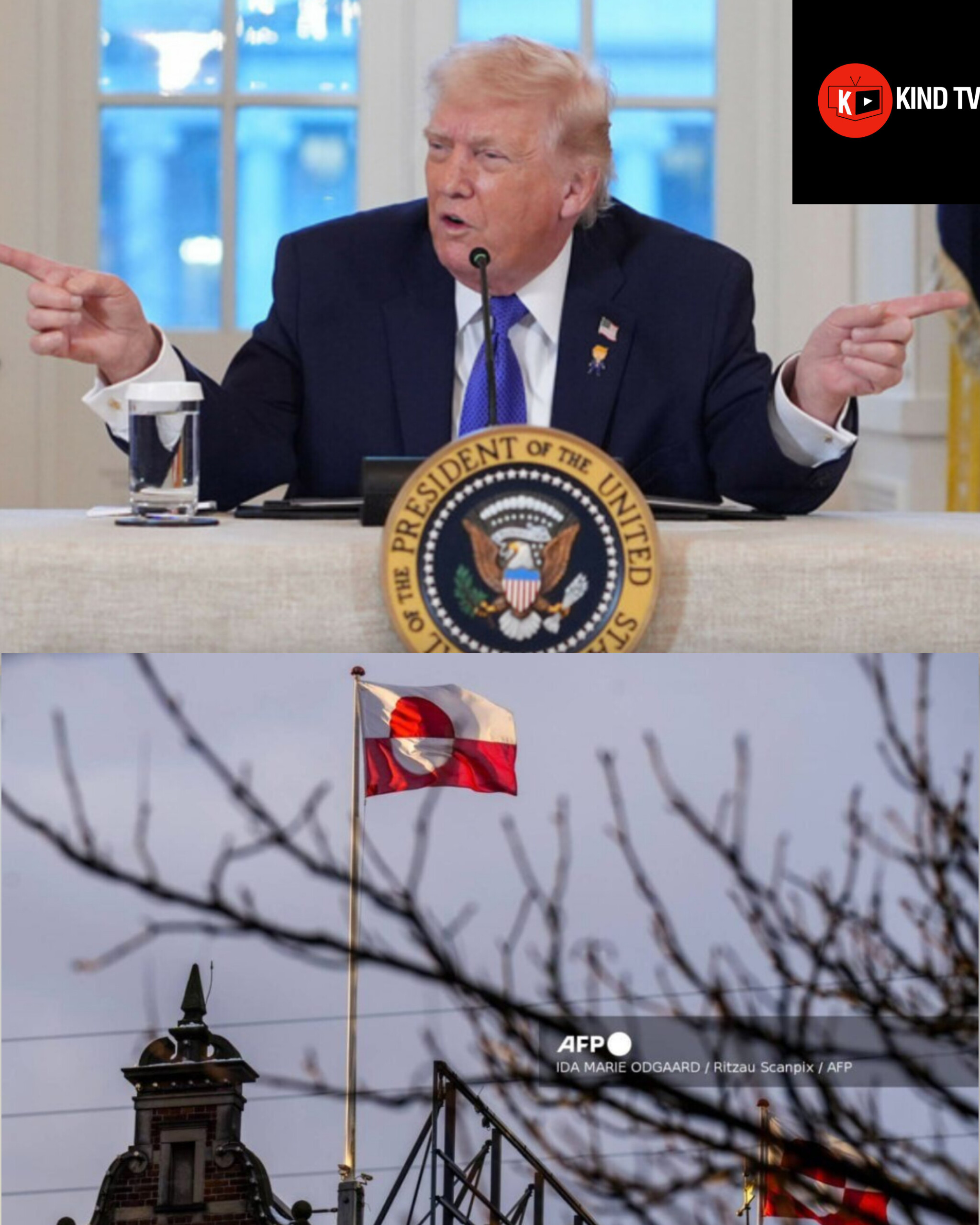
The aftermath has also sharpened fears in Havana. In the days following Maduro’s capture, questions emerged over whether Cuba itself could become a future target. President Donald Trump told reporters that military action against the island would not be necessary, saying “Cuba is ready to fall” and suggesting events were already moving in that direction.
US Secretary of State Marco Rubio struck a harsher note, describing Cuba as a “disaster” run by what he called incompetent leaders. The remarks echoed a familiar tone. Last year, Trump signed a memorandum tightening restrictions on Cuba, reversing limited easing under President Joe Biden. The White House said the measures were aimed at ending economic practices that benefit Cuba’s government and security agencies, while enforcing existing limits on American travel to the island.
The broader context remains unchanged. The US economic embargo on Cuba, first imposed in 1962, is still in place despite repeated calls from the United Nations and other international bodies for it to be lifted.
To critics, the events in Caracas feel less like an isolated military operation and more like a warning flare. They argue that repeated violations of national sovereignty, carried out with little regard for global institutions, amount to a modern and more brutish form of colonialism. History suggests such moments rarely remain contained. In diplomatic circles, the unease is real, shaped by the fear that today’s impunity could become tomorrow’s wider conflict.
Cuban deaths in Venezuela Revive fears of US Impunity and the Steady Erosion of Sovereignty.